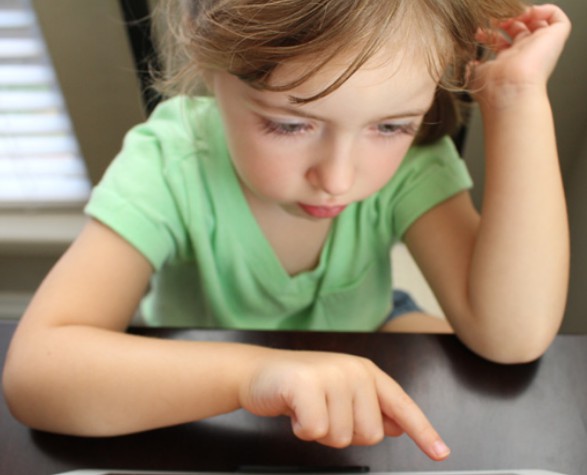
根据世界卫生组织新发布的指导方针,不应该让婴幼儿被动地看电视或其他屏幕。
Babies and toddlers should not be left to passively watch TV or other screens, according to new World Health Organization guidelines.
世界卫生组织称,两岁以下的幼儿不能久坐不动地看屏幕,包括玩电脑游戏。
Sedentary screen time, including computer games, should not happen before a child is two, the WHO says.
两岁到四岁的幼童每天看屏幕的时间最好不要超过一个小时。
The limit for two- to four-year-olds is an hour a day and less is better.
世界卫生组织的新指导意见主要关注被动看屏幕的现象——小孩被放在电视机或电脑前,或让孩子玩平板电脑或手机,该指导意见的目标是解决儿童缺乏活动的问题,活动量不足是造成全球死亡和肥胖相关疾病的首要风险因素。
The new WHO advice focuses on passive viewing - youngsters being placed in front of a TV or computer screen or handed a tablet or mobile phone for entertainment - and is aimed at tackling child inactivity, a leading risk factor for global mortality and obesity-related ill health.
这是世界卫生组织首次对五岁以下儿童的身体活动、久坐行为和睡眠提出建议。
It is the first time the WHO has made recommendations on physical activity, sedentary behavior and sleep for children under five.
除了对被动屏幕时间提出警告,世界卫生组织还指出,宝宝坐在婴儿车(童车)、车座或背带上的时间一次不能超过一个小时。
As well as warning against passive screen time, it says babies should not spend longer than an hour at a time strapped into a buggy, car seat or sling.
婴儿:
For babies:
每天做数次运动,包括至少30分钟的俯卧
Be physically active several times a day, including at least 30 minutes' "tummy time" - lying on their front
不能久坐看屏幕
No sedentary screen time
新生儿每天睡14到17个小时(包括打盹),4-11月婴儿每天睡12到 16个小时
14-17 hours' sleep a day, including naps, for newborns - reducing to 12-16 by four to 11 months
坐在躺椅、座椅或背带上一次不能超过一个小时
Should not be restrained (ie strapped into a recliner, seat or sling) for more than an hour at a time
一岁到两岁幼儿:
For one- and two-year-olds:
每天至少活动三个小时
At least three hours' physical activity a day
一岁幼儿不能久坐看屏幕,两岁幼儿看屏幕时间要少于1个小时
No sedentary screen time for one-year-olds and less than an hour for two-year-olds
每天睡11到14个小时,包括打盹
11-14 hours' sleep a day, including naps
坐在童车、背带或座椅上的时间一次不能超过一个小时
Should not be restrained for more than an hour at a time or sit for extended periods of time
三岁到四岁儿童:
For three- and four-year-olds:
每天至少活动三个小时,包括至少一次中高强度的锻炼
At least three hours' physical activity a day, including at least one of moderate or vigorous intensity
久坐看屏幕的时间最好不要超过一个小时
Up to an hour of sedentary screen time - less is better
每天睡10到13个小时,包括午休
10-13 hours' sleep a day, which may include a nap
坐在童车或座椅上的时间一次不能超过一个小时
Should not be restrained for more than an hour at a time or sit for extended periods of time
世界卫生组织的建议是基于能获得的证据,但对于屏幕使用的危害和潜在的益处还没有确切的研究结果。
The WHO advice is based on available evidence, but there is still a lack of definitive research into the harms and possible benefits of screen use.
但是,指导方针的作者之一胡安娜·维卢姆森博士说,太小的孩子不太可能从被动、久坐的屏幕时间获益。
However, it was unlikely very young children gained from passive, sedentary viewing, said one of the guideline authors, Dr Juana Willumsen.
她说:“应该让孩子有机会在一天中活跃地玩耍,减少久坐、被动的屏幕时间。”
"Children need to be given opportunities throughout the day to actively play and we should be reducing sedentary, passive screen time," she said.
在美国,专家称孩子在满18个月之前都不能看屏幕。
In the US, experts say children should not use screens before they are 18 months old.
在加拿大,两岁以下幼童不建议看屏幕。
In Canada, screen time for children younger than two is not recommended.
英国皇家儿科医学院的麦克斯·戴维医生说:“世界卫生组织建议的屏幕时间限制和看屏幕的潜在危害似乎不成比例。”
Dr Max Davie, from the RCPCH, said: "The restricted screen time limits suggested by the WHO do not seem proportionate to the potential harm.
“我们的研究显示,目前没有强有力的证据足以支持世卫组织提出的屏幕时间限制。”
"Our research has shown that currently there is not strong enough evidence to support the setting of screen time limits. "
宝拉·莫尔顿是一名老师,也是两个小孩的母亲,她说她的儿子从观看恐龙节目中学到了很多东西,了解到了关于恐龙的一些冷知识。
Paula Morton, a teacher and mother of two young children, said her son learned a lot from watching programs about dinosaurs and came out with "random facts about them".
她说:“他并不是坐在那里脑袋空空。他显然是在动脑筋思考。
"He doesn't just sit there and zone out," she said. "He's obviously thinking and using his brain.
“如果不让他看点什么,我不知道我要怎么做饭和打扫。”
"I don't know how I would make the dinner, cook and clean if he didn't have something to watch."
屏幕时间是否得到控制?
Is screen time controlled?
屏幕使用是否干扰了家庭计划?
Does screen use interfere with what your family want to do?
屏幕使用是否干扰了睡眠?
Does screen use interfere with sleep?
你能控制孩子在屏幕时间不吃零食吗?
Are you able to control snacking during screen time?
学院表示,如果对于这些问题一个家庭能给出满意的答案,那他们就能妥善处理屏幕时间的问题。
If a family are satisfied with their answers to these questions, then they are likely to be handling screen time well, the college says.