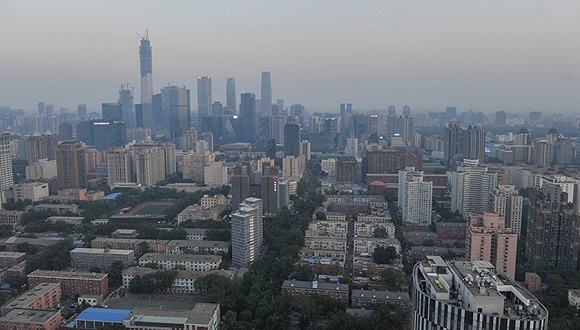
一份来自北京大学的最新报告称,受雾霾困扰的京津冀地区,自2013年以来在对抗诸如PM2.5等微尘污染方面取得了成效,但却在夏季面临日益严重的地面臭氧污染。臭氧污染是许多发达国家所面临的问题。
The smog-filled Beijing-Tianjin-Hebei region has seen improvement in combating particulate pollution, such as PM2.5, since 2013, but faces worsening ground-level ozone pollution during the summers, a challenge many developed countries share, a new report from Peking University said.
报告称,与2013年相比,去年京津冀地区的13个城市的地面臭氧年均浓度上升了13.1%。
The 13 cities in the Beijing-Tianjin-Hebei region last year saw the annual average concentration of ground-level ozone increase by 13.1%, compared with the level in 2013, the report said.
该报告是由北京大学统计科学中心和光华管理学院发起的,使用了从2013年3月至2015年5月期间,该地区73个国家控制的空气质量监测站和25个气象站发布的数据。
The report was conducted by the Center for Statistical Science and the Guanghua School of Management, both based at Peking University, using data released from the 73 State-controlled air quality monitoring stations and 25 meteorological stations in the region between March 2013 and May 2015.
该项调查的带头人、统计中心的负责人陈松蹊表示:“这一分析清楚地表明,由于过去几年所开展的一项强有力的控制措施,自2013年以来,主要空气污染物的急剧下降,尤其是颗粒物。”
"The analysis has clearly showed the sharp decline of the major airborne pollutants since 2013, especially of particulate matter, because a package of strong control measure initiated in past years works," Chen Songxi, director of the statistics center and survey leader said.
不过该报告指出,在2013年至2016年间,在其他主要污染物中,该地区13个城市的地面臭氧浓度有所上升。
But among other major pollutants, ground-level ozone concentration has increased in the 13 cities between 2013 and 2016, the report said.
陈松蹊说道;“在夏天,这种无形的氧气污染恶化了,政府应该制定减排目标来控制它,就像他们在与pm2.5的斗争中所做的那样。”
"In summers, this invisible oxygen pollution worsened, and governments should set reduction targets to control it, like they did in combating PM2.5," said Chen.
世界卫生组织称,地面臭氧浓度高或导致呼吸问题和肺部疾病。
High ozone concentration at ground level could lead to breathing problems and lung diseases, the World Health Organization has said.