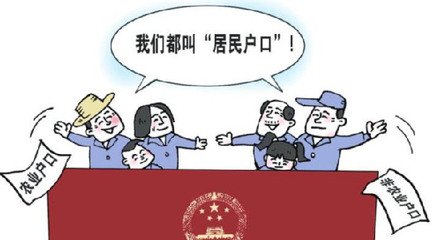
日前,北京市政府宣布了关于当地户口制度的多项改革:北京农村户口将不复存在,将不再区分城镇居民和农村居民。
Beijing has announced more changes to its local "hukou" system: the rural Beijing hukou will cease to exist, ending the divide between rural and urban residents.
在中国,“城市”一词通常是指拥有大片乡村地带的市中心,这其中一般会包括农田、山脉和森林。
The term "city" in China is usually applied to an urban center with a, sometimes vast, rural hinterland, often including farmland, mountains and forests.
即使是北京和上海这样的大都市,也有被认为是“农户”的居民。
Even metropolises like Beijing and Shanghai have residents who are considered "rural."
根据上星期一发布的指导意见,北京市政府将不再区分城镇居民和农村居民,而是建立统一的户口制度。
According to the guideline released last Monday, Beijing municipal government will no longer distinguish between urban and rural residents, but establish a unified permit system.
所有北京居民将享受同等的教育、医疗、就业、社保和住房等社会福利。
Social welfare including education, health, employment, social security and housing will be equal for all Beijing residents.
截至目前,全国已有30个省份出台了取消户口性质区分的方案。
So far, 30 provincial regions in China have announced plans to terminate the hukou divide.
这一改革将影响到亿万中国人。
The reform is set to affect hundreds of millions of Chinese people.
根据国家统计局的数字显示,截止2015年,中国大陆城镇人口为7亿6750万,占总人口的55.9%,而被归类为农村人口的则有6亿600万人。
By 2015, the mainland urban population was 767.5 million, or 55.9 percent of the total, while the population categorized as rural was 606 million, according to the National Bureau of Statistics.