英国最具权威的医药人士提出警告,日益增长的抗药病菌可能将现今的医疗服务水平拖回至19世纪。
The rise of drug-resistant superbugs will drag the health service back ‘to the early 19th century’, Britain’s most senior medical adviser has warned.
除非及时采取措施,随着病菌的抗药能力逐渐提高,将有数以百万计,无法有效治疗的超级病毒肆虐世间。到时,即使一个普通的手术也可能致命。
Unless urgent action is taken, the ‘ticking timebomb’ of growing antibiotic resistance could leave millions vulnerable to untreatable bugs within a generation.
目前,为了有效应对将来可能发生的危机,有关当局已下令限制医生开出的抗生素药品数量。
In an attempt to tackle the problem, GPs will be ordered to prescribe fewer antibiotics.
自1987年以来,医学人士并未研发出高于目前功能的抗生素药品,而感染症状则是一年变一个花样。医药人士提议政府将抗生素失效的风险列入国家危机事件范畴,仅次于流感事件。
While infections are becoming increasingly difficult to beat, no new class of antibiotic has been discovered since 1987. In contrast, a new infection emerges on an almost yearly basis.
这是全球政府都应重视的情况。最近五年来,仅因针对大肠杆菌使用抗生药物后导致的败血症案例数量就已上升了60%。在过去两年中,英国就有两人死于肺结核,此肺结核病菌几乎不受任何药物治疗的影响。除此之外,抗生素之王碳青霉烯的滥用也是另一件令人担忧的事。
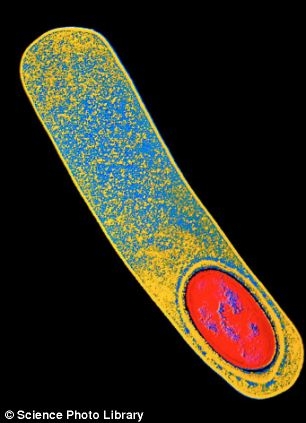
In the past five years, the number of cases of blood poisoning from antimicrobial resistant (AMR) forms of E. coli – which is twice as fatal as the normal bug – has gone up 60 per cent.
由于抗生素在农业生产中被广泛使用,以及国与国之间的成药交易情况,想要防患于未然,世界各国必须统一战线。抗生素药品的管理流程也需大力整治。
But with antibiotics liberally used in agriculture, and available over the counter in many countries, these efforts will be undermined without a united global effort.